
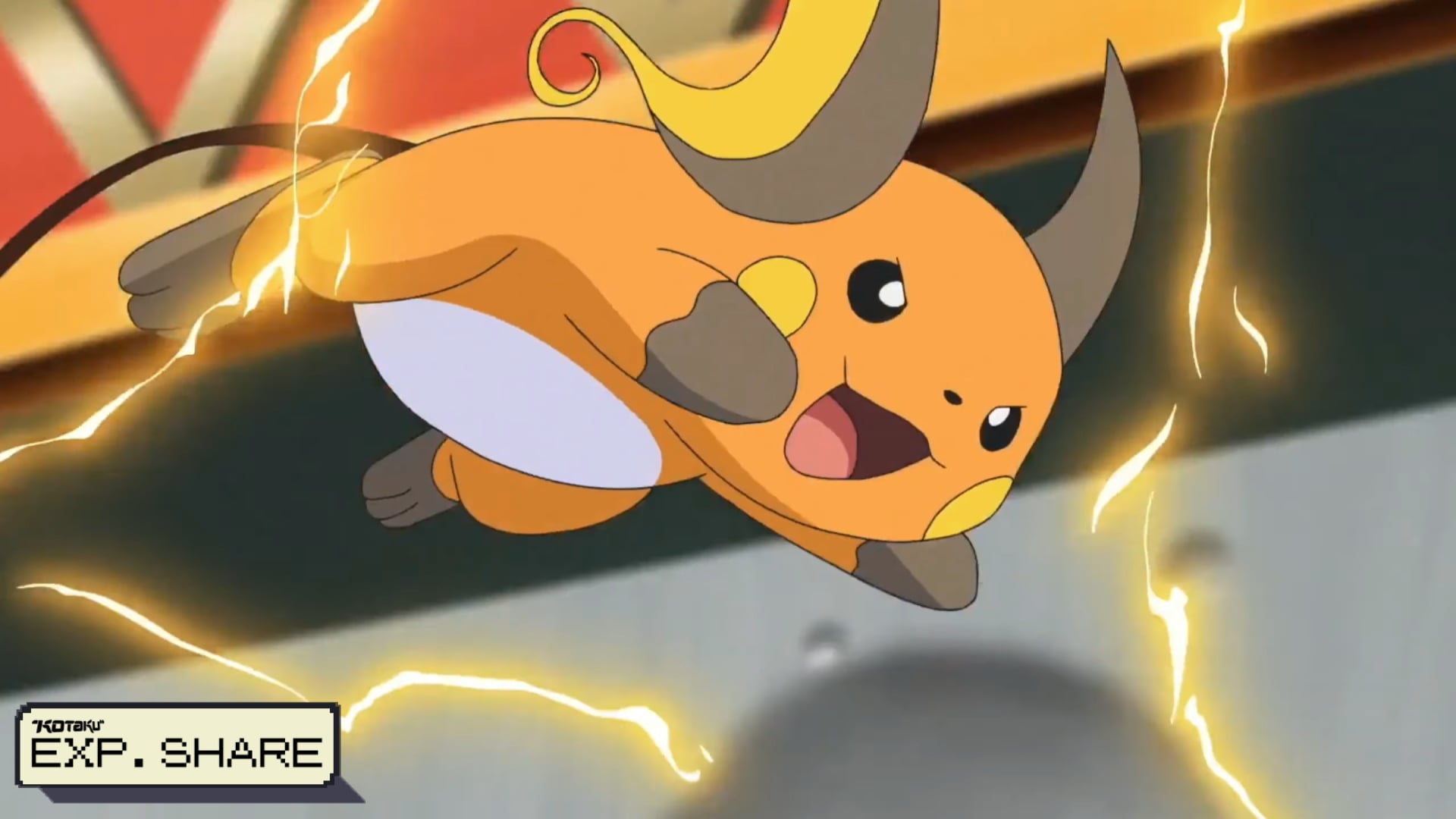
My first time playing Pokémon competitively was a learning experience. I was in high school, had played the series most of my life, and solidified my team of six favorites in Diamond and Pearl: Raichu, Palkia, Latias, Beautifly, Torterra, and Houndoom. A friend of mine played competitively, and I don’t think that at the age of 15, I really understood what that meant. I knew the series’ type chart like the back of my hand, so I had memorized what moves would weaken my opponent’s monsters, but there were still several nuances I didn’t grasp. Optimizing stat spreads, understanding the split between physical and special moves, and I had no imagination for using attacks that did anything other than damage. I would quickly learn the limits of this approach when I kept trying to use Palkia’s Aura Sphere on my friend’s Blissey, only for its astronomical special defense to render a literal god’s attack nearly useless.
The realization hit me mid-battle that, despite my team having type coverage for every situation, I wasn’t going to break through Blissey’s defenses unless I had physical attacks on hand, and my only fighting-type move that could weaken it was Aura Sphere, which barely put a dent in the special wall my friend had put up. I had mostly ignored this side of Pokémon mechanics as a kid, and now I was paying for it. I said I wanted a rematch after I changed my team’s moves, but we never actually got around to it.

The second time I played competitive Pokémon was about a year later against a different friend. We were more evenly matched, but I was still peppered with comments about how some of my favorite Pokémon, like Raichu and Beautifly, were “useless” and not “viable.” The more I looked into trying to play Pokémon seriously in my teenage years, the more I encountered this sort of mindset. It felt mind-boggling that a series that spends hundreds of in-game hours and anime episodes preaching that Pokémon are more than their capabilities in battle had subsections of its fanbase who simply saw them as numbers on a spreadsheet to be optimized. It ultimately turned me off to the notion of competitive Pokémon battles, and maybe even damaged my relationship with the series along the way.
Fast forward a decade and a half, and I’m back on that sicko shit. I play every game, write about them all the time here at Kotaku, and the mere existence of Mega Raichu has done more for my mental health than any SSRI, but competitive Pokémon and I have stayed at arm’s length. I pay attention to developments in the scene, whether that be in the main games or in spin-offs like Pokémon Go, but by and large, Pokémon has been an RPG with a cast of characters I catch in balls and form neurotic attachments to, rather than a competitive game. I had been told for so long that if I wanted to play competitively, I was going to have to use Pokémon I didn’t care about.
Enter Pokémon Champions, a game that I thought wouldn’t be for me, and yet I have put over 50 hours into it, mainly thanks to my own stubbornness. I booted up the game initially because it was a new Pokémon thing, and I fully expected to just dick around in it for a few hours to write about it. Half my “canon” team wasn’t on the roster yet, they didn’t put Raichu’s Mega Stones in the game despite advertising that Mega Raichu X would be in the roster, and god, the clothes selection was terrible. But I’m still not about to give in to the meta’s demands and use Pokémon I don’t like.
I started up some ranked matches with my team of Raichu, Torterra, Houndoom, Corviknight, Starmie, and Garchomp, and ran into a lot of the standards I expected to. Incineroar, the fire/dark tiger wrestler who has become the scene’s de facto mascot due to its excellent pool of support moves, kept popping up. The rain-bringing Pelipper kept getting paired with Archuladon, which took advantage of the weather to bring down its mighty Electro Shot on Starmie and Corviknight. As I started facing similar compositions, something clicked in my brain that, despite my team not being “the meta,” I had something that a lot of trainers didn’t have: the element of surprise.
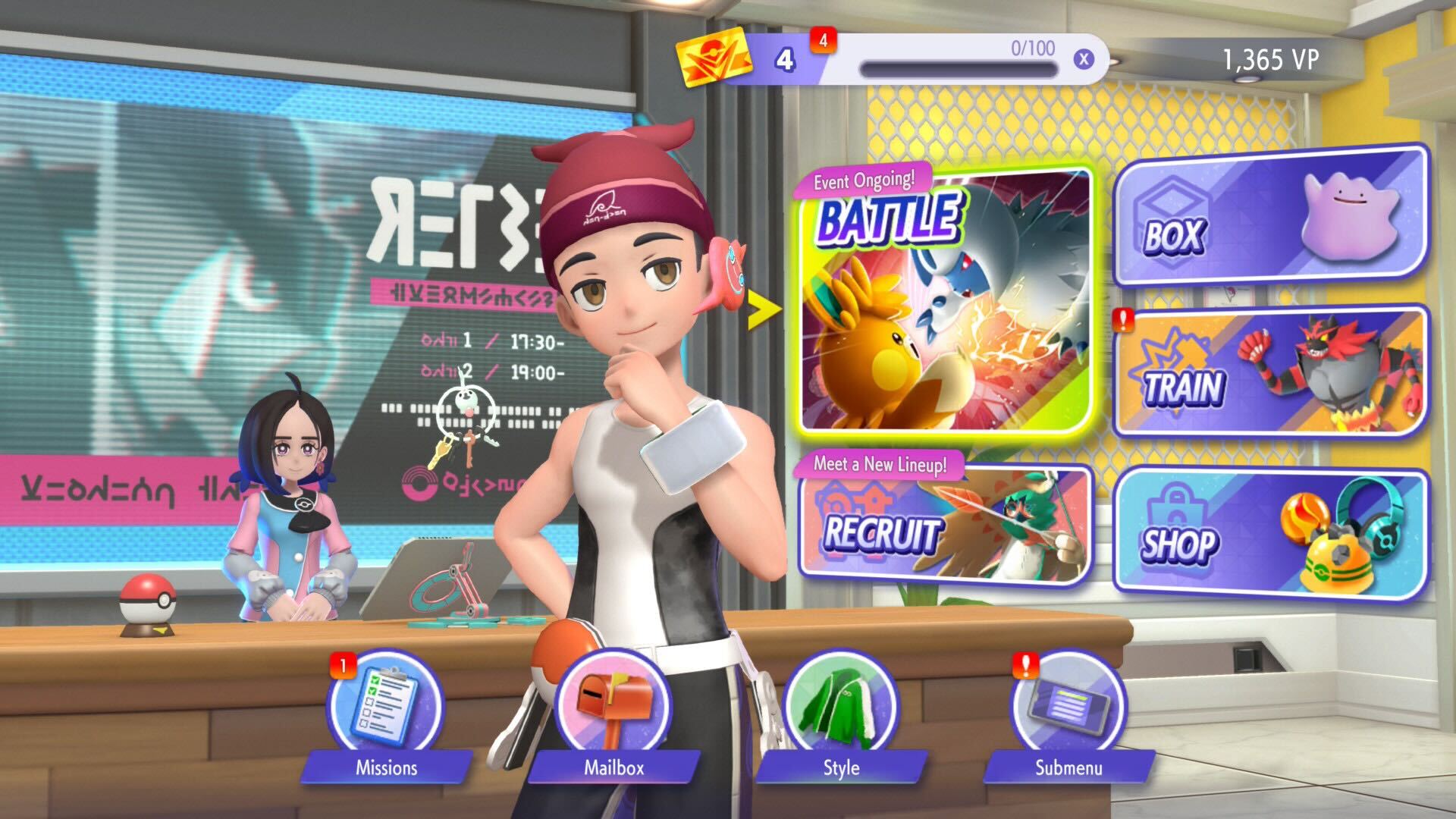
I never encountered a team exactly like mine while playing Champions, and if I zoomed out and really tweaked their movesets, abilities, and stats, I could use that to my advantage. Corviknight’s Mirror Armor ability reflects Incineroar’s Intimidate back at it, saving him from a power decrease. If I keep Raichu in the backline when my opponent sets up an Archuladon/Pelipper combo, his Lightning Rod ability could absorb the Electro Shot if I bait them into trying to attack Starmie with it, then he could retaliate with a powered-up attack.
The more I committed to using the team I wanted, the more I learned how to react to the strategies randoms I’d find online were using. Finding these little niches certain Pokémon could inhabit turned monsters I had considered “weak links” in my team into core pillars of my strategies, tearing holes in my foe’s plans, and creating openings for my Pokémon to take advantage of. Once I learned how to create teams around reacting to incoming metas, I found this crew could actually handle just about anything that was thrown my way. Yeah, I lost plenty of fights, but even when someone was using a team I hadn’t seen before, I could find some way to rally my team to push through. Those were often the most rewarding matches, as neither of us was relying on tried-and-true techniques. It was a genuine thrill to be faced with a foe I couldn’t predict, and still manage to come out on top with Pokémon I’d been told couldn’t compete. Most of the competitive players in my life growing up would tell me that I would have to leave my favorites behind to win. As an adult with better resources and problem-solving skills, I now see that isn’t true, and my efforts have borne fruit enough to land me in Master Ball Tier rank.

Welcome to Exp. Share, Kotaku’s Pokémon column in which we dive deep to explore notable characters, urban legends, communities, and just plain weird quirks from throughout the Pokémon franchise.
Doing this is also what brought me around on Pokémon Champions’ team-building tools. I still think the gacha-esque recruitment mechanic is garbage, and limiting for anyone who’s trying to jump in and make a team without stress or hassle, but the ease with which you can manipulate stats and movesets is unmatched, and allowed me to tweak my strategies quickly. Am I finding I’m Mega Evolving Starmie more than Houndoom in most matches? I should give it physical-based Liquidation rather than the special Surf to take advantage of its attack-doubling Huge Power ability. Press a few buttons, and it’s done. Corviknight’s high defense makes it a wall? How about I teach it Rest so it can recover its entire health bar, and give it Lum Berry to immediately wake up? Torterra is too slow to actually get a move off? Here are a few points into your Speed stat and a Quick Claw, big guy. Drop Wood Hammer on that Greninja at the beginning of the turn.

All these small nuances were things I understood, in theory, but they felt daunting to dive into through most avenues. Competitive strategies are entirely unnecessary to whip out in the main games, which can typically be beaten by honing in on type advantages like a game of methodical rock-paper-scissors. Playing something like the long-running battle sim Pokémon Showdown, where a lot of the very best trainers gather and fine-tune Pokémon from every game, was terrifying, like being pushed into the deep end when I’d spent most of my life comfortably standing on the floor of the shallow end. Champions may be a barebones experience with a limited roster and weird bugs, but it did two important things for me: It helped ease me into competitive play after literal decades of not being able to find a foothold into it, and it helped me prove to myself that I didn’t have to adhere to the “meta” or find the most “optimal” team to have some success.
Pokémon has been the longest-running constant in my life, and somehow, in its 30th anniversary year, I found a new way to love it, even in a game I largely consider to be mediocre. At least now I might still be playing it if/when it becomes better.
About the Author


