

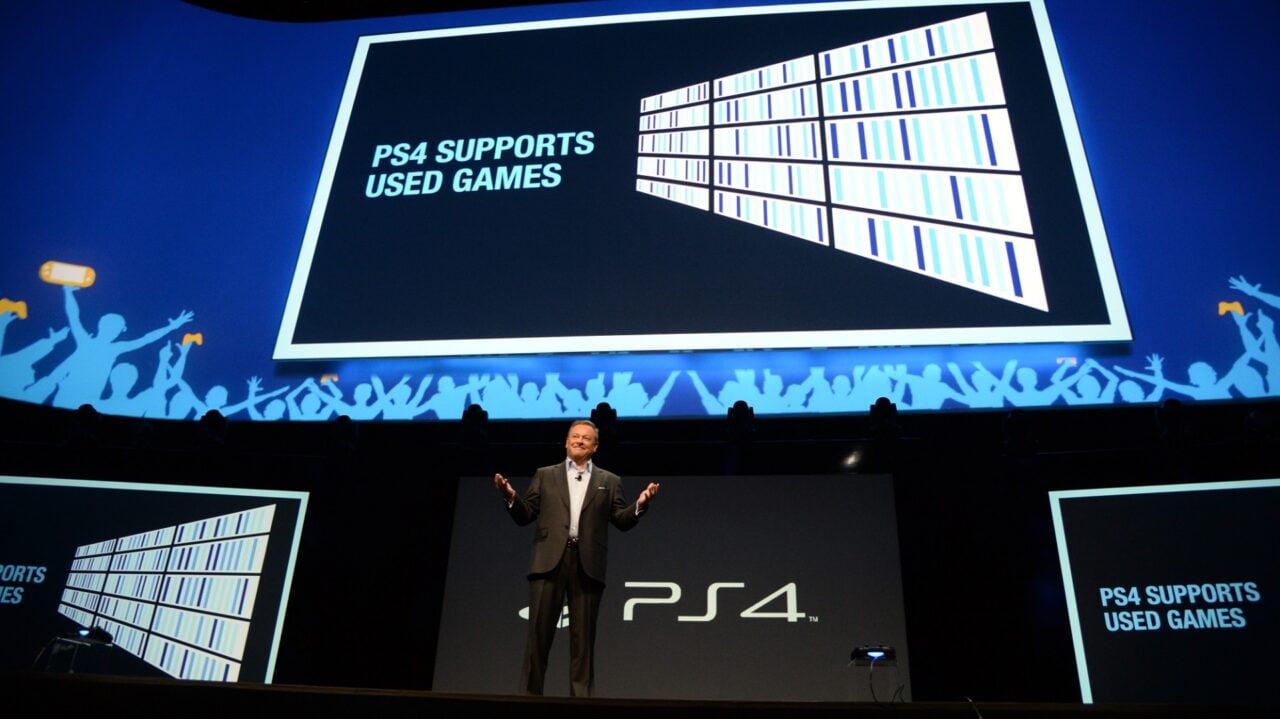
The launch of the PlayStation 4 and Xbox One marked a pivotal point in gaming’s history. Neck-and-neck by the end of the previous console generation, the announcement and rollout of both devices sent Sony and Microsoft on two very different trajectories in the years that followed. Sony was relentless that year in hammering Microsoft’s initial plan to roll out online DRM for game discs on the Xbox One, no more so than during its big E3 2013 press conference. The company devoted an entire section of its presentation to praising physical game discs. It now hits different following the news just over 13 years later that Sony itself is moving first to kill off physical game discs for the PS6 hardware generation.
“We’re equally focused on delivering what gamers want most without imposing restrictions or devaluing their PS4 purchases,” Jack Trenton, the CEO of Sony Interactive Entertainment of America, said at the time. “PlayStation 4 won’t impose any new restrictions on the use of PS4 games.” Audience members proceeded to interrupt the executive with loud cheers and applause. Trenton, beaming at the response, leaned into the virtues of physical games.
“I guess that’s a good thing,” he continued. “We believe in the model that people embrace today with PlayStation 3 and continue to demand. Just heard you there. When a gamer buys a PS4 disc, they have the rights to use that copy of the game. They can trade in the game at retail, sell it to another person, lend it to a friend, or keep it forever.”
Presentation slides are flashing onscreen behind Trenton as he mentions each bullet point. “PS4 supports used games,” reads one piece of text alongside an illustration of a wall of shelves full of game cases. The final slide ends with “keep it forever.” This has been the covenant with gamers since the very first home console shipped. Buy the machine. Buy the disc or cartridge. Play it as long as both are still working. It’s a promise Sony used to slowly pull away from Xbox in the console race and one it’s now abandoning as we get closer to the launch of the PS6.
For anyone paying attention at the time, it’s hard to now wrap your head around a company embracing a version of the thing that hung like an albatross around the neck of the Xbox One even after Microsoft reversed course on its disc-DRM initiative. We all kind of knew this is where gaming was headed as the rates of physical game sales plummeted. But 70 million physical games are still sold every year. Ending PlayStation discs by 2028 isn’t quietly closing the book on an archaic piece of antiquated technology, it’s slamming it shut on one of the last thing console players still had control over.
It’s hard to imagine PlayStation CEO Hideaki Nishino or PlayStation Studios head Hermen Hulst getting on a live stage in front of fans and media at all anymore, let alone to champion the end of physical media on their platform. The upside for console makers and game publishers is obvious: lower costs, the end of used game sales, fewer pre-release leaks. It’s hard to see any silver lining for players. The companies won’t pass on any savings to them. They can barely keep up with spiraling game budgets and spiking component costs as it is.
The death of physical games is the death of “lend it to a friend or keep it forever.” PlayStation won’t be getting any applause for a line like that, but Xbox now has the opportunity to do the funniest thing ever.
About the Author


