
This isn’t a complaint, but I can’t help but feel like every new game I pick up at the moment is Animal Crossing. Heartopia? Animal Crossing. Pokopia? Animal Crossing. Tomodachi Life? You guessed it, Animal Crossing! I am unashamedly one of those people who thinks the gaming landscape of the 2020s peaked early when New Horizons gently shepherded us all through lockdown, so perhaps I shouldn’t be surprised that – now that we’re well past the midpoint of the decade, I hate to remind you – a bunch of studios have come to the same conclusion, and either spun up their own take on the idea, or repurposed an existing IP to include more Animal Crossing-like elements.
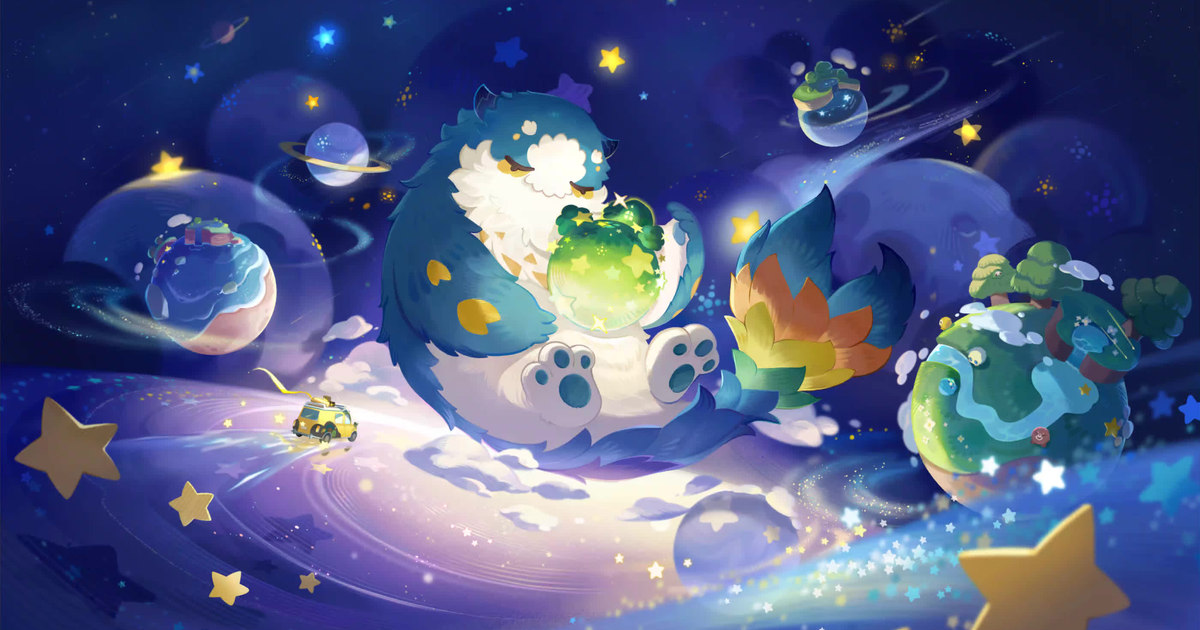
Petit Planet – which just launched its second beta test – is, quite unashamedly, HoYoverse’s spin on the Animal Crossing formula. When the concept first leaked a couple of years ago this comparison was drawn instantly, and in typical HoYo fashion the studio has done nothing to distance itself from the inevitable name-drop whenever Petit Planet is mentioned. It makes sense when you consider that the developer’s flagship game, Genshin Impact, is well-known for being heavily inspired by Breath of the Wild, and having that parallel drawn frequently in its early days clearly hasn’t hurt it much.
The thing is though, I would argue that Genshin does in fact offer its own distinct spin on BOTW. For one thing, last time I checked, the Zelda games weren’t party-based action RPGs, even if the fantasy open-world exploration clearly borrows quite liberally from Nintendo’s genre-defining masterpiece. Indeed, attempting to reduce Genshin to a BOTW clone in the year 2026 will most likely just make you look hopelessly behind the times. But without wishing to set myself up to have to eat my words, I’m not sure what Petit Planet brings to the table that a quarter of a century’s worth of Animal Crossing titles didn’t already.
I’m not saying that Petit Planet shouldn’t exist – as a lifelong connoisseur of games within the life/social/farming sim trifecta, I know that large-scale homages are even more common in this genre than they are elsewhere in the industry, which as a whole isn’t exactly shy about cribbing from existing concepts. The classic trio of The Sims, Animal Crossing, and Harvest Moon have intermingled in countless ways over the decades, influencing both one another and a whole slew of spiritual successors, many of which are now well-regarded in their own right. There’s no reason on paper that Petit Planet couldn’t become to the F2P mobile-led space what Stardew Valley is to indies. But somehow, I’m not quite convinced yet.
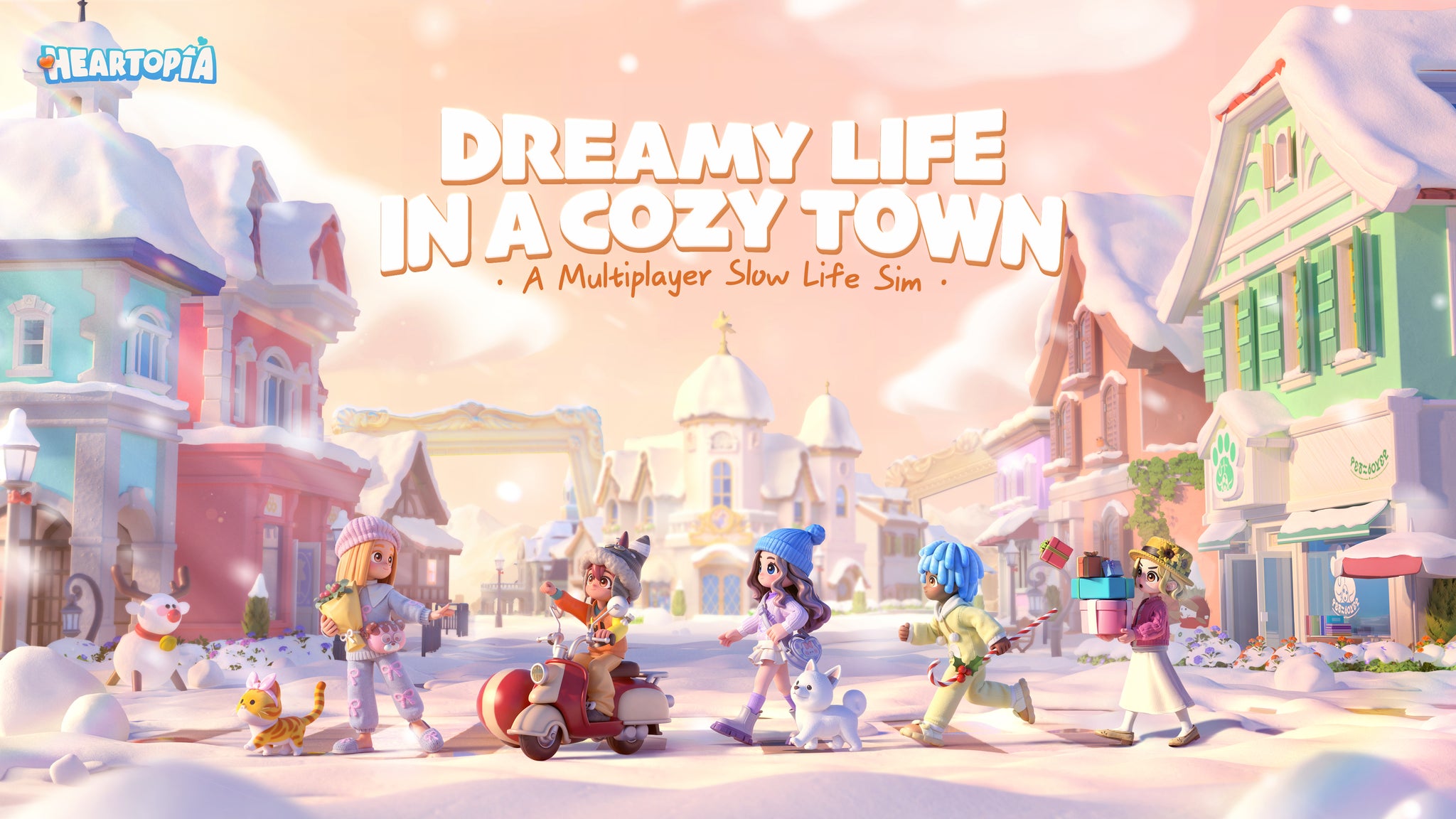
Perhaps I’d be less cynical on the topic if I hadn’t already sunk 100+ hours of my year so far into Heartopia – which, as a charmingly playdough-y gacha social sim, has definite echoes of the same classics of the genre that Petit Planet aims to emulate, and is targeting the same demographics. Heartopia currently has a couple of advantages over Petit Planet, though: for one, it’s been available globally since January, whereas HoYoverse is still being cagey about committing to a release window; and secondly, it has an easily-defined USP, in that all of your neighbours in the town are controlled by other players.
It’s hard to say what Petit Planet’s USP is, aside from the admittedly appealing aesthetic change from the usual desert island to a desert planet IN SPACE. It’s definitely cute and relaxing, but everywhere I turn I’m reminded of something from Animal Crossing – again, that’s not necessarily bad, but it’s also not giving me a solid reason to keep playing when I could just dip back into my 900-hour ACNH island to scratch the same itch. Shake some faintly apple-looking plums from a rather familiar tree, sure. Catch fish and insects and deliver them to a kindly and cultured anthropomorphic animal who displays them in his vivarium, okay. Help an energetic little monkey organise the settlement’s resources, cool.
Minute-to-minute I am in fact enjoying myself immensely – of course I am: I’m a sicko for this genre; I’m already a fan of this studio’s other games; I know what’s expected of me and can vibe on through it all with my eyes closed. But once I put this game down, I’m not sure what will draw me to pick it back up again when there are already so many extremely similar options available to me. I’m already actively managing, what, six other social sim settlements I built from the ground-up? Do I have room in my heart to begin all over again?

The elephant in the room, of course, is HoYoverse’s current commitment to the use of generative AI in developing its games, which Petit Planet doesn’t attempt to keep a secret. Honestly, though, if they’re going to do it – and clearly they are – I’m in favour of them at least flagging which content uses GenAI, which seems to be the case in Petit Planet, assuming that the disclosures already in place in this beta are reflective of the whole.
There’s still a frustrating opacity as to what exactly it all means, though – so far I’ve seen nothing that couldn’t have been sensibly developed using an SLM trained on HoYo’s own in-house data, which is far from the most egregious example. But of course, there’s also no guarantee that that’s how it’s actually been done.
Honestly, though, the most offensive thing is that after a lot of fuss and fanfare, NPCs are “conversing” with me in real-time with about the same level of naturalistic dialogue as that seen in Façade, which let’s take a moment to recall, is a 20-year-old indie game. Don’t get me wrong: Façade was ahead of its time, and it’s still a fun mechanic to play around with! But publicly declaring your intentions to go all-in on generative AI without apparent care for its potential harms to your workers and other creatives, your product’s quality and its audience, the environment, the economy, etc. etc., just to turn around and proudly announce that you’ve reinvented the wheel, isn’t exactly the best look.

There will, certainly, be plenty of people who don’t care about any of that – and presumably this includes many of the younger players towards whom Petit Planet clearly skews. Kids are, of course, already playing HoYoverse games. A friend’s tweenage daughter is a fan of Genshin, and accompanied by responsible parental oversight, I’d argue that’s no worse than her enjoying Fortnite or Roblox – but Petit Planet is the first game from the studio to explicitly target a “family” audience.
Which brings us, in a roundabout way, to the final curiosity of this beta: even after spending several hours with the latest build of the game, I’m still entirely unclear on where the gacha is and how it’s going to work. I’m even starting to suspect that there might not be a gacha at all, which is wild if true, since all five titles on HoYoverse’s current roster are monetised this way, and it’s clearly worked out pretty well for them so far.
But even though I can see where a seasonal pass subscription type model is going to sit in the full release, so far there’s no gacha-shaped hole in sight. I wonder if this is to make Petit Planet seem a bit more palatable to parents who are holding the wallet for younger players, who I think are probably going to be the demographic getting the most out of Petit Planet – particularly if they’re too young to remember the halcyon days of ACNH, as today’s cohort of primary school age kids presumably are.
Which is a grim thought for a number of reasons – not least of which is that if kids born circa 2020 are old enough to play video games today, that means that the rest of us certainly aren’t getting any younger. But mainly it’s down to the fact that seeing HoYoverse – a live-service specialist whose monetisation tactics are far from above reproach, even when aimed at fully-informed adults – turn its attention to making games for children is bound to set off some alarm bells, even without the presence of a gacha.

But credit where it’s due, Petit Planet will soon sit alongside Tears of Themis as proof that the developers at HoYoverse can turn their talents to more diverse genres than different flavours of RPG. It might sound like a backhanded compliment to call it a perfectly competent social sim, but it’s an achievement for a studio to step outside of its speciality and break into a new gaming space with something polished and presentable, even if a little by-the-numbers. Petit Planet may not be ready to set the world on fire, but finding its niche among life sim fans eager for a shiny new yet still comfortingly familiar playground feels like a modest yet achievable goal.
About the Author


