
Pokémon Champions is, for good or ill, the future of competitive Pokémon. The battle simulator launched this month and has been met with significant criticism for bugs, missing monsters and items, and a grindy, microtransaction-driven economy. Some of this was to be expected, as the free-to-play game needed some way to make money, and The Pokémon Company said the game wouldn’t include all 1025 monsters at launch. But even now, The Pokémon Company seems surprised by the level of backlash in some areas. So what does it all mean? Is the future of competitive play an already failed experiment, or is it another live-service game crash landing and hoping to rise from the ashes?
I talked with some competitive Pokémon analysts and the sentiment is that much of this initial blowback is likely a response to growing pains for the community, a reaction to a perceived change in the way things have always been, one that feels disruptive to players who had grown accustomed to having certain Pokémon and strategies at their disposal.
“The pushback I think was a kneejerk reaction,” Skraw, a competitive player and YouTuber covering the meta and scene, tells Kotaku. “It was a big surprise to find out as I was playing that many of the items we rely on as competitive players weren’t available. I think if they had made it more clear ahead of time that the item selection would be so limited we wouldn’t have all reacted so strongly, if you go to reach for a tool you’ve relied on for years only to find out it was removed without being told ahead of time, it would make you pretty upset too! Everyone I know who was upset about the items on day one is now happily enjoying the game.”
For newcomers, Champions may be one of the most accessible ways to enter the scene without having to learn all the complex techniques and strategies one has historically had to wrap their heads around for high-level competitive play, but for those who want to reach that level, does it actually communicate those things well enough to be a sustainable onramp? Not yet, some argue.
“The way Champions is set up, it feels like it is doing too little for both sides, the newcomers and the returning players,” freelance journalist and Timesphere Podcast host Cale Michael says. “The tutorial walks you through all the basics of Pokémon battling and some basic [concepts for competitive play] like the importance of moves that spread to multiple targets in double battles, but the additional ‘trials’ it features won’t help players new to the format really learn anything that will help them succeed long-term. ”
Michael goes on to call Champions “underbaked,” and lacking in content that would give players a “lasting first impression” if they aren’t already embedded in the scene. Skraw seems to largely agree, saying it does a poor job of teaching competitive Pokémon to anyone who doesn’t look to outside resources that try to ease newcomers in, including dedicated channels like his own.
“I think the game does a bad job of providing options for players that don’t want to jump in the deep end right away,” Skraw says. “Basically being told ‘here’s your starters, now jump on the ranked ladder’ may be nerve wracking for someone trying the game for the first time, and may discourage someone who thought the game would hold their hand a little longer. A real single-player mode, even if it was just on-demand battles vs an AI using the starter teams, would have gone a long way for this.”
The Verge copy editor Kallie Plagge echoed the sentiment, saying that some odd interactions may be mistaken for bugs because Champions doesn’t spell some things out for new players.
“I’ve already seen posts by new players who are very confused about why a certain move didn’t work on a certain Pokémon, and it’s a safe bet that Hisuian Zoroark is at fault somehow,” Plagge says. “But Champions doesn’t explain that, so how would they know without a human being on Reddit telling them? They might just think it’s a bug rather than an intended interaction. And there were enough bugs at launch that I don’t blame people for thinking that way.”
Despite the lack of proper tutorials that get into the nitty gritty of Pokémon mechanics, Champions actually provides some surprising clarity on backend systems that seasoned players have just internalized over decades of play.
“I love that you can view data about each Pokémon and see how people are training theirs, Pikalytics-style,” Plagge says. “Having all that info in-game is incredibly cool. And I like that the description of each move includes more detail about things like its priority, its effects, whether it’s a contact/wind/bite/whatever move—info that either was not explicitly included or was very buried in previous games.”
That seems to be the Pokémon Champions experience right now. It’s a platform that makes the more complex systems of competitive Pokémon more simple, almost plug-and-play, for newcomers, but still doesn’t give them the knowledge to best utilize those systems. For competitive players, it offers a platform that lets them freely customize and experiment with team builds and movesets, but it is missing so many pillars of the current competitive meta that it feels limiting. Layer on bugs and you have something that, as far as public sentiment is concerned, is doomed to get dragged through the mud. The limitations are already shaping the meta, which can be an exciting challenge, but Michael worries that the slow cadence of updates won’t hold the attention of anyone who doesn’t rely on competitive Pokémon as a hobby, job, or community.
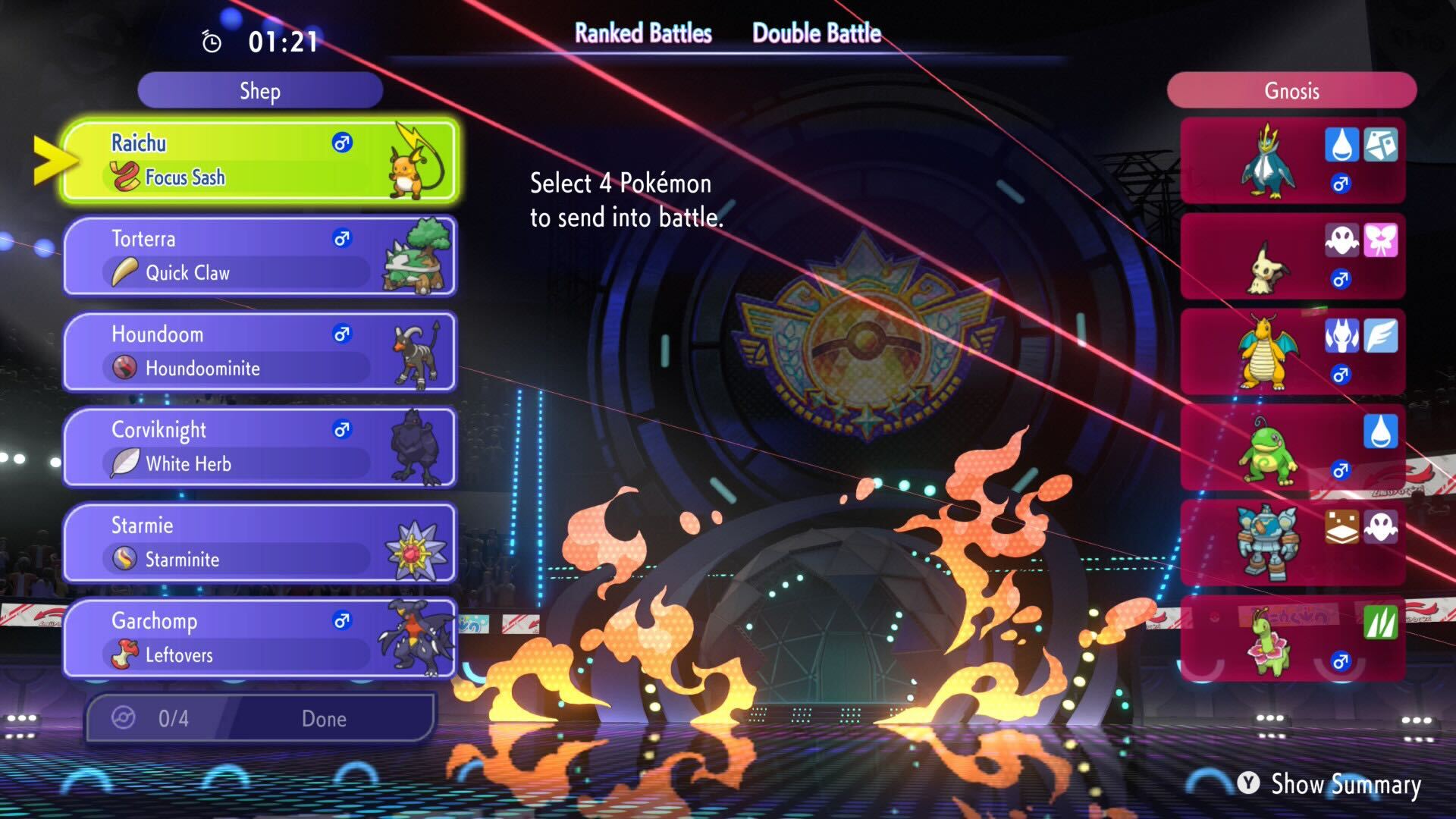
“I have no issues with The Pokémon Company wanting to make Champions a unique meta experience by limiting the number of Pokémon or items available to players,” Michael said. “However, this specific instance of doing so is creating a very odd experience that might not retain players long enough for them to introduce more content. […] Sure, there are still staples like Leftovers, Choice Scarf, Lum Berry, and the elemental resistance berries available. But once you get out of a handful of those universally useful items, players are going to struggle with what items to put on their ‘mons, and you can see that in the Battle Data already. Players mostly use a rotation of the same six staple items with a dash of those elemental berries, elemental boosting item, or Mega Stone thrown in.”
Anecdotally, I’ve had the most fun in Champions when I play against other trainers that aren’t trying to adhere to the current meta, as there’s more room for strategic surprises when we’re not all running the same six Pokémon. That repetition is exacerbated by Champions’ limited formats, which lack a standard 6v6 mode that lets players use their whole team in a battle, instead opting for a 3v3 or 4v4 structure depending on if you’re playing single battles or doubles. It’s clear The Pokémon Company wants Champions to have an evolving meta, but at this early stage, the smaller roster and missing items do feel like they require players to rely on the same handful of strategies to thrive, and combinations that have been used to counter them are no longer available.
“It’s pretty clear that more items and ‘mons will be added to Champions over time—Rocky Helmet is in the shop icon, even though it’s not actually in the shop yet—so overall I think the limited roster complaints are just growing pains,” Plagge says. “It’s kind of a fun challenge to build a team without relying on the usual items. But at the same time…where the hell is Indeedee? The psyspam girlies are suffering. So I don’t think the current limitations are actually a problem necessarily, but I do think people are allowed to whine about it a little. Indeedee and Hatterene are in love and they should be together so I can click Follow Me and Trick Room on turn one.”
Some might find those changes refreshing, though. Skraw says he’s excited to play in new formats that don’t include current meta mainstays like Ursaluna, though he says that’s a “personal taste” of his.
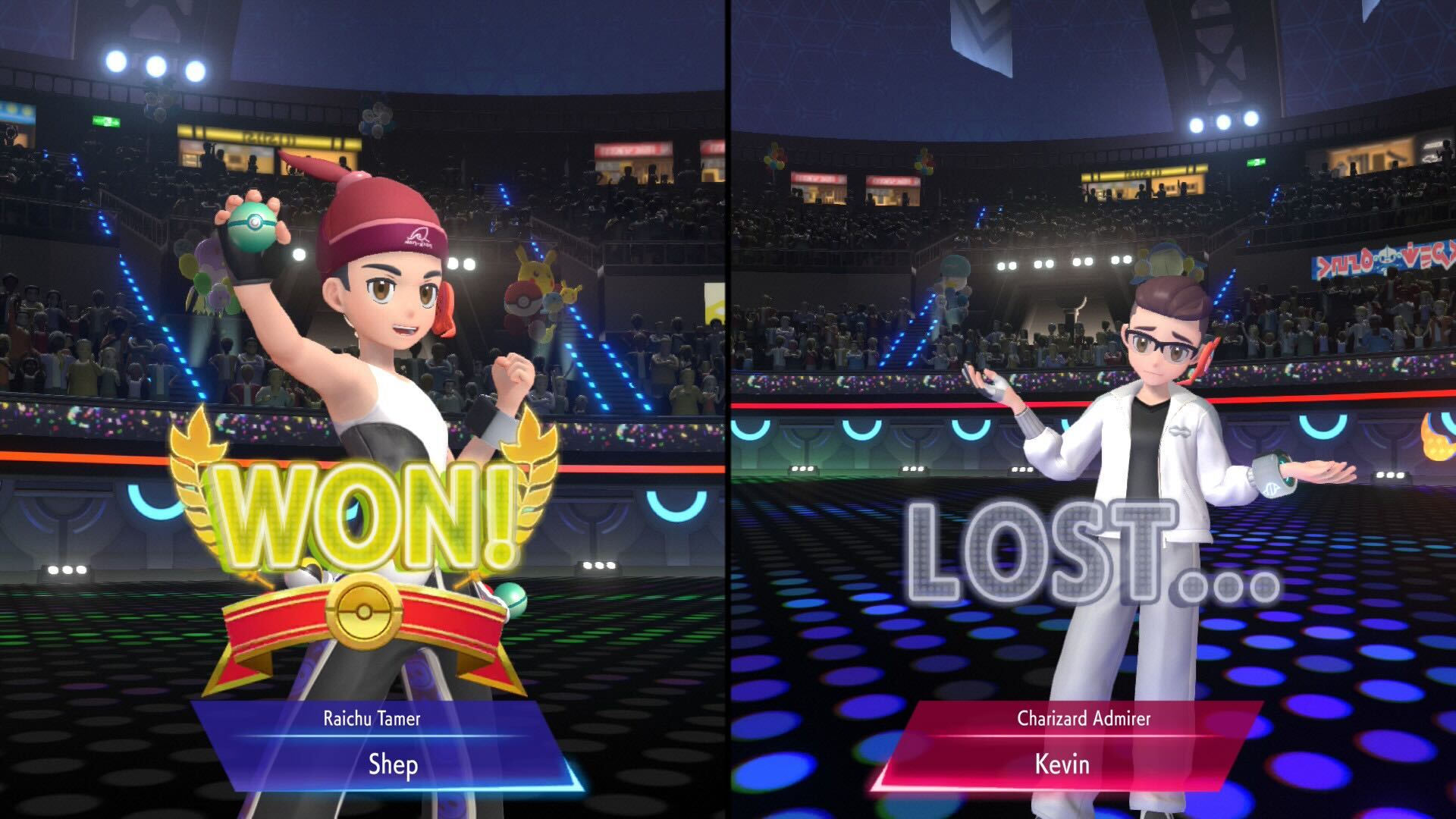
Even if there are complaints, Plagge says that Champions is one of the best officially sanctioned tools for team-building that Pokémon has ever had. Creating a competitive team in the Pokémon RPGs usually requires grinding, resource gathering, and a deep knowledge of how systems that Game Freak has often obscured work. Champions does away with some of the old lexicon and the need to find certain items to craft a Pokémon’s stats, and instead puts it all in a menu you can freely flip through.
“I think the streamlined EV training and move/nature/ability swaps lower the barrier to entry a lot,” Plagge says. “Using in-game resources to train up a competitive ‘mon in Scarlet and Violet was overwhelming in part because you had to work hard for the necessary resources, and so it sometimes felt like the price of screwing up when training a Pokémon (or even just realizing your set wasn’t very good) was too high. A lot of players just test teams on [fan-run battle simulator] Showdown before building them in-game, but that’s a whole other layer of friction and jargon for a new player to overcome in order to play. I worry that other aspects of Champions might get in the way here, but I do think the ease of training up viable ‘mons is a massive improvement for competitive.”
Champions is more than just a new free-to-play Pokémon game, though. As the official format for competitive play moving forward, it’s also the game people looking to play in VGC tournaments will have to adopt, whether they like it or not, and balancing competitive obligation with managing an audience of more casual players isn’t an easy task. We’ve seen games like Overwatch suffer under the stress of trying to cater to both a casual and hardcore audience, and Champions is already showing signs of struggling to manage both sides of the aisle.
“I think the most hardcore players will adopt Champions no matter what, just maybe with some complaining,” Plagge says. “I think the harder sell is giving more casual players a reason to log in and keep learning and improving. There are some helpful tutorials, but they barely scratch the surface, and Champions can’t coach you and point out the mistakes you’re making in battle or when team-building. At what point do people give up and drop the game? I’m not sure. I don’t think it matters for VGC, though. It’s the official format, so people are just going to play it. VGC has been growing a lot recently anyway, for a number of reasons, and the people who are genuinely interested and dedicated are going to end up doing their homework if needed just like VGC players have always done.”
Michael argues that regardless of what happens in the future, Champions has launched at a disruptive time for the competitive scene. The North America International Championships are set to take place in June, and will be the first official tournament to use the game as its primary format, which only gives players about two months to adjust. Had it come out later this year and moved the competitive timeline forward, Michael says the rough launch could have been avoided thanks to additional development time.
“What should have happened is, give the developers another six months to work on things and run some open betas throughout April, May, and June,” Michael says. “Announce the release date at NAIC and confirm that this Worlds will be the final one to use Scarlet and Violet. Then players can keep consistent through Worlds in August and Champions can fully launch, hopefully in a slightly more polished state and as the main competitive title in early September. I think that would have allowed for the best of both worlds, and would have been less messy than what we got.”
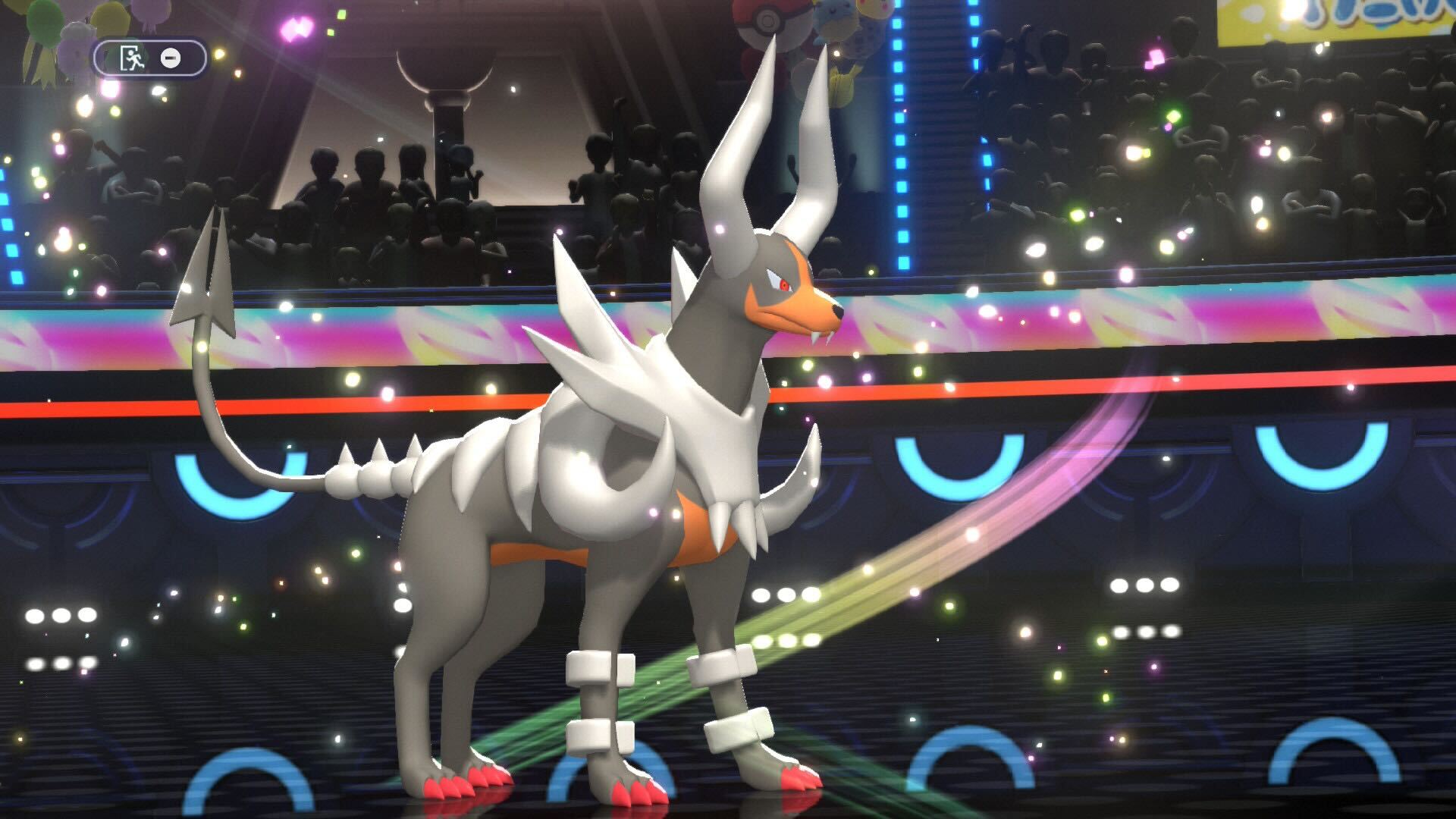
The other hangup for some has been that historically, getting into competitive Pokémon hasn’t come with constant expenses. You buy one game every three to five years and you’re set until the next RPGs come out. Champions, meanwhile, is a free-to-play game with microtransactions and a subscription fee for larger Pokémon storage. You can ostensibly avoid dealing with this by keeping Pokémon in the Home storage app or leaving them in their game of origin and transferring them as needed, but it does mean that Champions gates ease of use behind a paywall, which isn’t something that players have never needed to deal with in competitive play before. But in the moment-to-moment experience, its microtransactions feel less predatory than those in your average gacha.
“Champions definitely does the mobile game thing of giving you a lot of in-game currency upfront and then a drip feed after that, so you have to have the self-control not to spring for the paid battle pass and premium sub in order to unlock their extra rewards,” Plagge says. “I do not have that self-control, but I don’t think it’s especially predatory or anything. It’s not like you can pay a dollar here and there to do an extra gacha pull for more Pokémon and suddenly you’ve spent $100. I absolutely spent way more money on Umamusume than I have on Champions, even after getting the year-long sub.”

Welcome to Exp. Share, Kotaku’s Pokémon column in which we dive deep to explore notable characters, urban legends, communities, and just plain weird quirks from throughout the Pokémon franchise.
The question remains: Are any of the issues with Champions fundamentally unsolvable, or will all of this just be an unfortunate early blemish on a potentially long-lived mainstay in the Pokémon series? Skraw says he’s “optimistic” about the game’s future, and says that once the initial shock goes away and more updates come, the fundamentals of Pokémon battling and the ease of training will be solid enough for the game to achieve its goals. To Michael, Champions’ success will live or die by whether or not The Pokémon Company listens to the competitive players who will be using it for years to come, especially now that there is a designated platform no longer restricted by the RPGs.
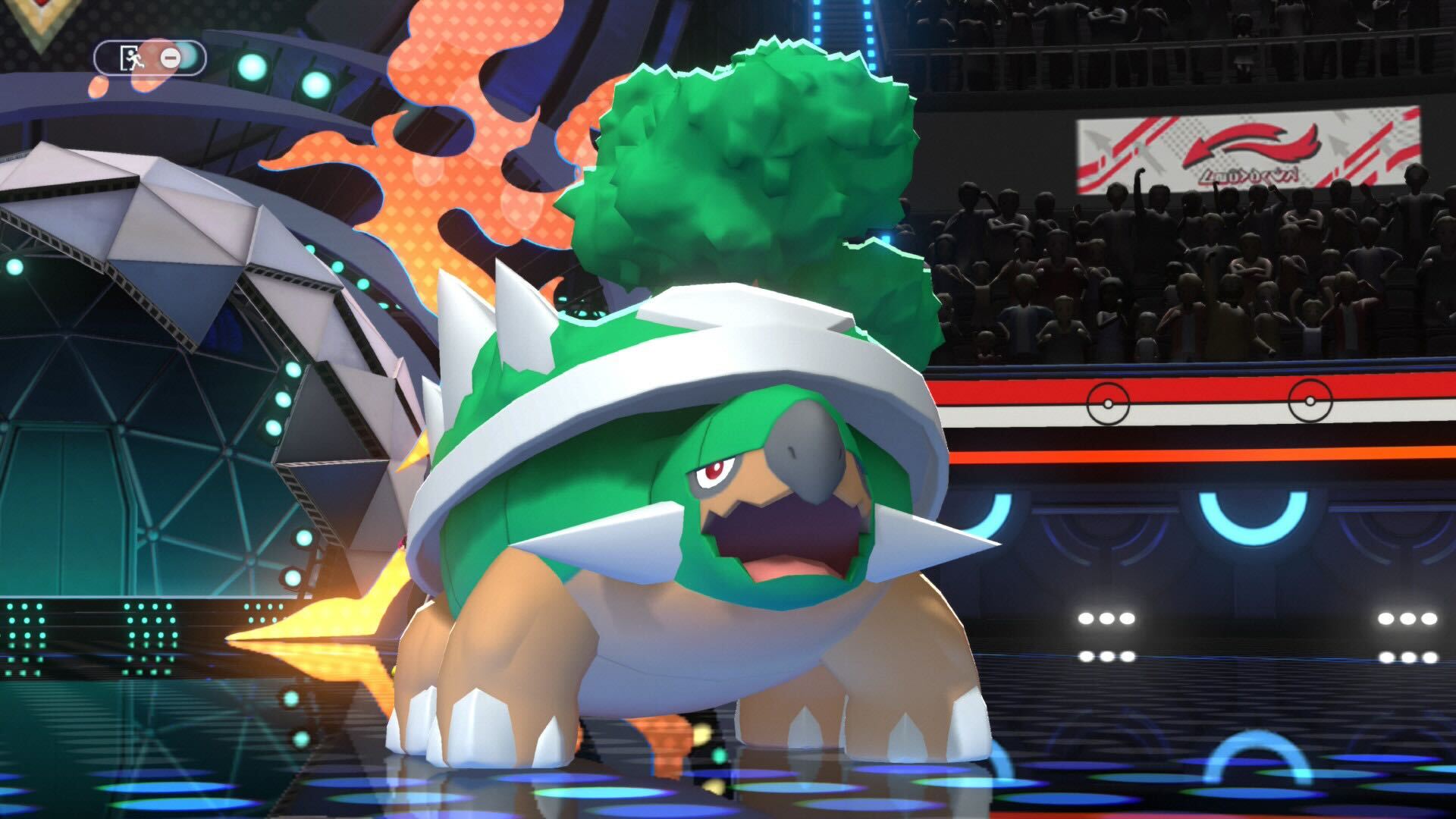
“Champions, at its core, is a dedicated competitive client that is tailoring itself to the VGC community, which is already a better offering than simply existing inside of the main franchise alone,” Michael says. “With that, there is hope that TPC and its partners will actively be listening to more player feedback and implement improvements designed to please the competitive community in a way that they couldn’t before in, say, Sword and Shield or Scarlet and Violet. It is a fresh experience, both as a meta and general experience, because Megas are back, the way you train Pokémon is altered, changes to select mechanics/moves/abilities, and the available Pokémon/moves/items. This is inherently going to excite a lot of players and content creators because it means a reset in what you can do with the game, such as no longer needing to build around a separate type chart to cover for Tera Types on every single Pokémon. I think this positive feeling will stick for the first several months, and the real weight of how good or bad things could be will only be seen after the first major update. So we just have to hope things will improve.”
About the Author


